Artificial Intelligence has moved beyond experimentation and into the core of modern business. In 2026, AI systems now handle real-time medical diagnostics, automate financial risk assessment, optimize global supply chains, and power next-generation digital products.
Every serious AI development company today is no longer asking if they should use AI — they’re asking how fast they can scale it.
At the same time, Generative AI tools have lowered the barrier to entry, while cloud platforms and modern development frameworks have made AI faster to deploy than ever before. This creates a rare opportunity: beginners can now reach professional AI skill levels in months rather than years if they follow the right path.
This guide doesn’t just teach theory. It shows how experts actually learn, build, and deploy AI systems in real production environments.
Understanding AI the Way Professionals Do
Most beginner content oversimplifies AI. In reality, modern AI software development blends three core pillars:
1. Intelligence (Models & Data)
This includes machine learning, deep learning, and Generative AI tools that learn from data and create predictions, text, images, and decisions.
2. Engineering (Systems & Performance)
AI must be scalable, reliable, secure, and fast this is where cloud infrastructure, APIs, and optimized pipelines matter.
3. Product Integration (Apps & Users)
AI lives inside real products, mobile apps, dashboards, and automation platforms, increasingly built using frameworks like Flutter Development for cross-platform experiences.
Understanding this full stack is what separates hobbyists from professionals.
Key Concepts in AI
Artificial Intelligence isn’t a single technology, it’s a collection of specialized fields that work together to create intelligent behavior. Understanding these core concepts makes everything else in AI far easier to learn and apply.
Machine Learning (ML)
Algorithms that learn patterns from data to make predictions such as sales forecasts, fraud detection, and recommendations.
• Deep Learning (DL)
Advanced neural networks that handle complex tasks like image recognition, speech processing, and Generative AI tools.
• Natural Language Processing (NLP)
AI systems that understand, analyze, and generate human language — powering chatbots, translation tools, and voice assistants.
• Computer Vision (CV)
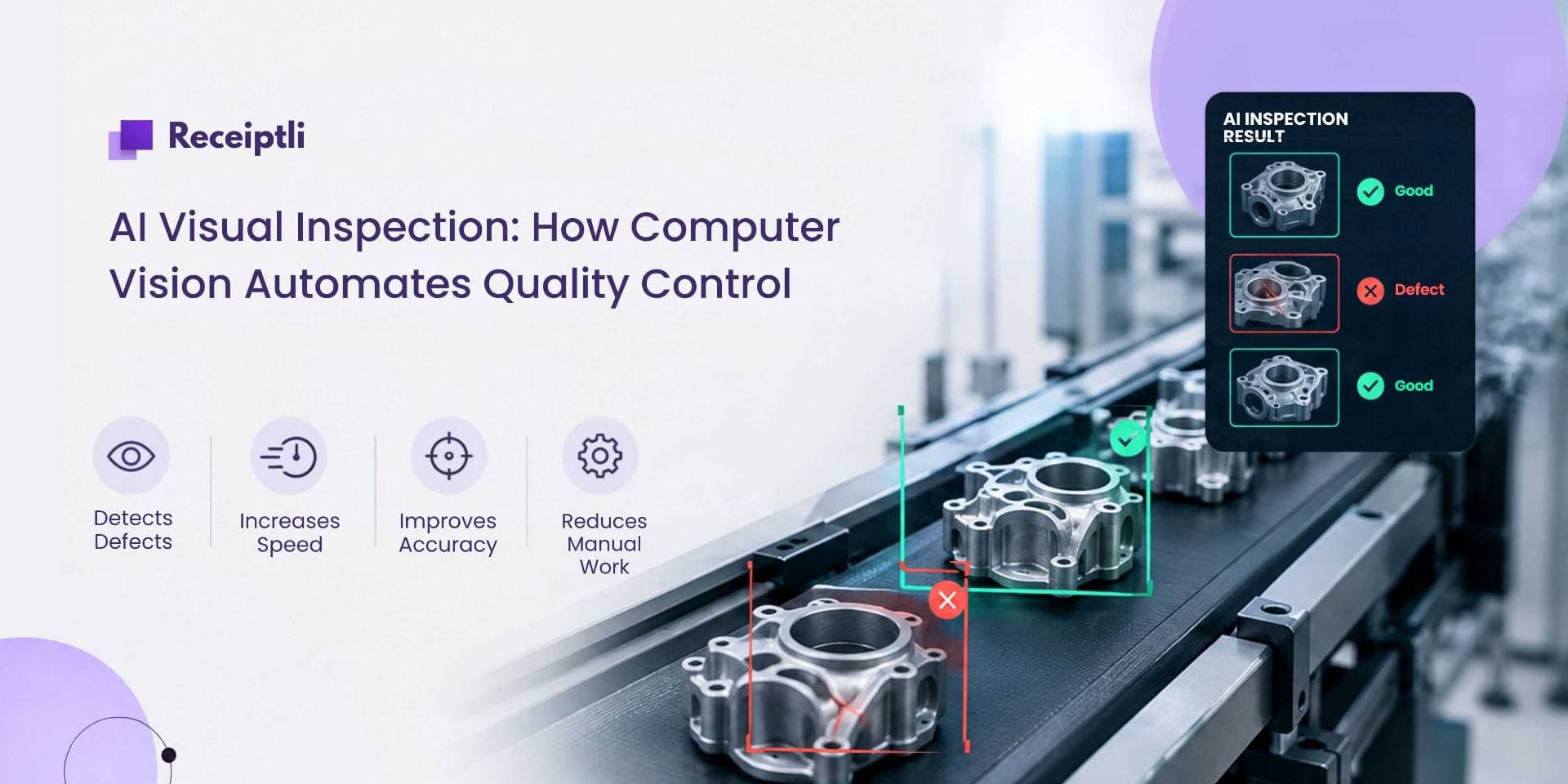
AI that interprets images and videos — used in medical scans, facial recognition, and autonomous vehicles.
Why 2026 Is the Best Time in History to Learn AI
Three major shifts changed everything:
Generative AI Acceleration
AI can now write code, analyze data, train models, and assist learning — massively boosting productivity.
Cloud-Native AI
With services like AWS Deployment pipelines, beginners can deploy enterprise-grade AI without owning servers.
- Exploding Demand
Healthcare, fintech, logistics, robotics, marketing, cybersecurity — all now require AI.
Companies don’t just need data scientists. They need engineers who can build AI systems end-to-end.
The Authority Learning Roadmap
<br />Phase 1: Core Foundations (1–2 Months)
Focus on:
-
Linear algebra (vectors, matrices)
-
Probability & statistics
-
Basic calculus (gradients)
Why it matters: This is how AI models learn and optimize.
Best approach: short daily practice + visual learning tools.
Phase 2: Programming for AI (1–2 Months)
Master:
-
Python deeply (not just syntax)
-
Data handling with Pandas & NumPy
-
Visualization with Matplotlib
Then move into:
-
TensorFlow / PyTorch
-
Scikit-learn
At this stage, you’re officially entering AI software development territory.
Phase 3: Machine Learning Mastery (2–3 Months)
Learn how models think:
-
Data preprocessing
-
Feature engineering
-
Supervised vs unsupervised learning
-
Core algorithms (trees, regression, clustering, SVM)
Build real prediction systems — not toy examples.
Phase 4: Deep Learning & Generative AI (2–3 Months)
This is where modern AI power lives:
-
Neural networks
-
CNNs for vision
-
Transformers for language
-
Generative AI tools for content creation
Projects should now involve real datasets and business-style problems.
Phase 5: Production AI & Cloud Deployment (Ongoing)
Learn:
-
Model optimization
-
APIs for AI services
-
AWS Deployment workflows
-
Monitoring & scaling models
This is what AI development companies actually do daily.
Real Projects That Make You Job-Ready
Beginner Level
✔ Chatbots with NLP
✔ Recommendation engines
✔ Image recognition apps
Intermediate Level
✔ Fraud detection systems
✔ Sales forecasting tools
✔ Customer segmentation AI
Advanced Level
✔ AI medical diagnostic models
✔ Autonomous navigation logic
✔ Large-scale generative systems
How Real AI Teams Build Products in 2026
Here’s a simplified professional workflow:
- Data collection & cleaning
- Model training & testing
- API deployment (often on AWS)
- App integration (web/mobile with Flutter Development)
- Monitoring performance
- Continuous improvement
This cycle runs constantly inside every modern AI development company.
Career Paths and Opportunities
By mastering this full-stack AI approach, you unlock roles such as:
-
AI Engineer
-
Machine Learning Engineer
-
Applied Scientist
-
AI Product Developer
-
Cloud AI Architect
These are among the fastest-growing and highest-paying tech careers globally.
Common Mistakes Beginners Must Avoid
- Jumping straight into deep learning without fundamentals
- Only watching tutorials without building projects
- Ignoring deployment and real-world systems
- Treating AI as theory instead of engineering
Real expertise comes from building and shipping.
The Future of AI Development
AI is no longer isolated research — it’s becoming part of every digital product.
The strongest professionals in 2026 combine:
- Machine learning knowledge
- Cloud infrastructure skills
- Software engineering practices
- Product thinking
This is why AI + app frameworks + cloud deployment now define modern AI software development.
Conclusion
Learning AI from scratch in 2026 isn’t about memorizing algorithms.
It’s about:
Building intelligent systems
Deploying them at scale
Solving real problems
If you follow this roadmap focusing on fundamentals, real projects, and production skills you can reach professional AI levels faster than ever before.
Whether you aim to join a top AI development company, launch your own AI products, or specialize in AI software development, the opportunity has never been bigger.
The next decade belongs to those who can build with AI not just talk about it.
Aeyron Technologies
· 4 min read